
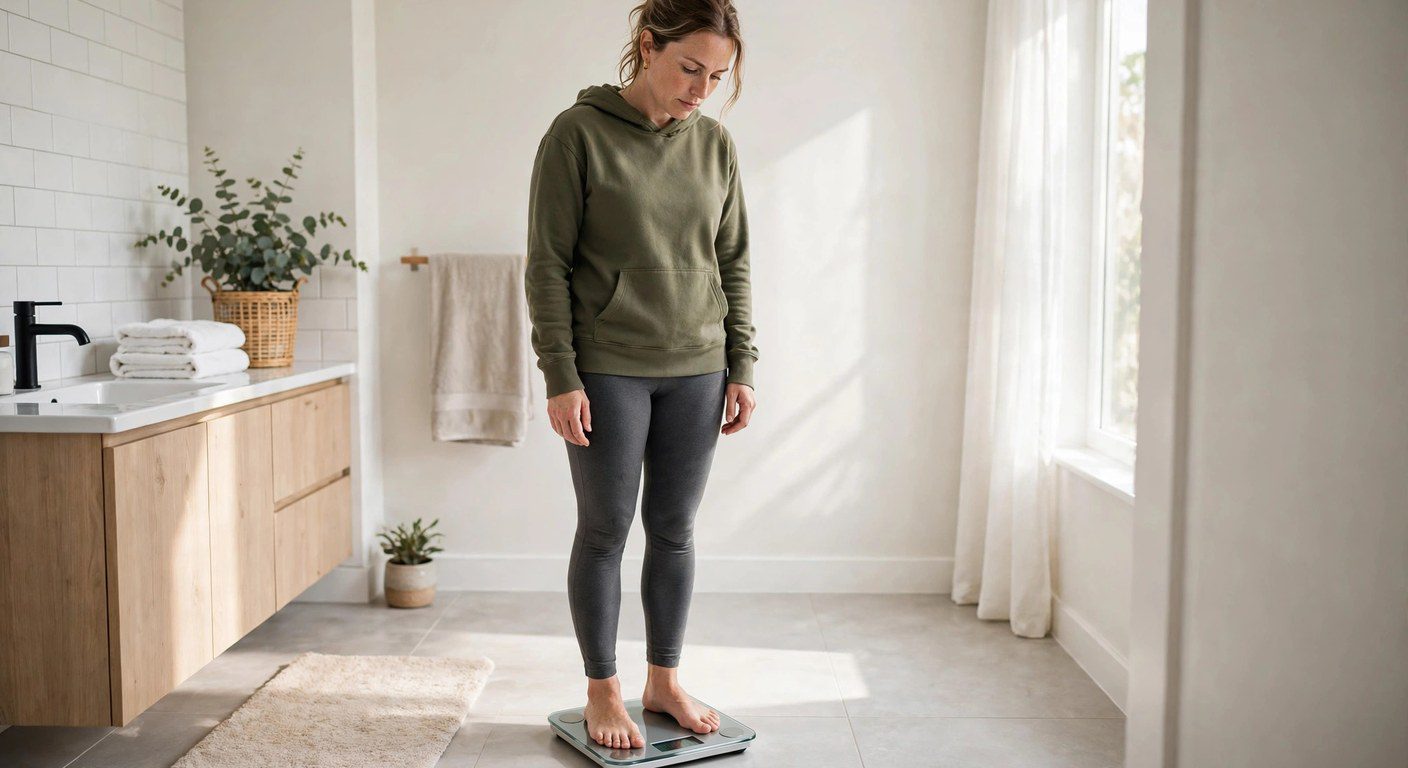
Why Am I Not Losing Weight? 9 Real Reasons and How to Fix Each One
If you keep asking yourself, “why am I not losing weight,” you are not alone. This is one of the most common questions in weight loss, and the answer is rarely that your body is broken. In most cases, one or two fixable problems are quietly cancelling out your effort.
The good news is that most stalls have a clear cause. This guide walks through the nine most common reasons, shows you how to find yours, and gives you a simple plan to start moving again.
Quick Answer: Why Am I Not Losing Weight?
The most common reason is that you are eating more calories than you think. Small tracking errors, weekend meals, drinks, sauces, and bites while cooking can erase a deficit without you noticing. The next most common reasons are water retention hiding real fat loss, a true plateau after weeks of dieting, poor sleep, and stress.
Before you change your whole plan, find your reason first. Track everything honestly for seven days, weigh yourself daily under the same conditions, and compare weekly averages instead of single days. That one week of honest data usually answers why am I not losing weight for you.
1. Are You Eating More Than You Think?
This is the number one reason people stall, and it is also the hardest one to see in yourself. Studies of self-reported food intake consistently find that people underestimate what they eat. It is not dishonesty. It is normal. Portions creep up, small extras get forgotten, and labels get rounded in your favor.
The usual leaks are cooking oil, dressings, sauces, drinks, snacks, and bites while cooking. A tablespoon of oil, a free pour of dressing, and a handful of nuts can add several hundred calories to a day that looked perfect on paper.
| Hidden calories | What it really adds |
|---|---|
| 1 tablespoon cooking oil | About 120 calories |
| 2 tablespoons ranch dressing | About 140 calories |
| A handful of almonds | About 170 calories |
| Coffee with cream and sugar | About 50 to 100 calories |
| Bites and tastes while cooking | About 100 to 200 calories |
The fix is measurement, not guilt. Weigh food with a kitchen scale for one week, log drinks and sauces, and count the bites. Most people find 200 to 400 hidden calories, and that gap is often the whole stall.
2. Is Your Calorie Deficit Real?
Fat loss needs a calorie deficit, which means eating fewer calories than your body burns. If the scale has not moved in three to four weeks and your tracking is honest, your deficit is probably smaller than you think, or it no longer exists.
The most common mistake is overestimating activity. Most people pick one activity level too high, and a desk job with three gym sessions a week is usually lightly active, not very active. That one choice can inflate maintenance calories by several hundred per day. If you want to check your numbers, start with a calorie deficit guide and then work out your daily target using our TDEE calculator and calorie calculator. Our guide to how many calories to lose weight shows how to turn that number into a realistic daily target.
A moderate deficit of about 300 to 500 calories a day works for most people. A very large deficit sounds faster, but it usually brings more hunger, more cravings, and a faster stall. Slow and steady keeps you consistent, and consistency is what actually moves the scale.
Can I Lose Weight Without Counting Calories?
Yes. Many people who ask why am I not losing weight fix it without counting, by using smaller portions, filling half the plate with vegetables, eating protein at each meal, and limiting drinks and takeout. Counting is still the best tool for finding a stall, though. Even one week of honest tracking usually reveals the leak, and then you can go back to habit based eating.
3. Are Weekends Undoing Your Weekdays?
If you wonder why am I not losing weight after a perfect week, weekends are the first place to look. You eat well Monday to Friday, then relax on Saturday and Sunday, and the week ends at zero. The math is simple and brutal.
Say you hold a 300 calorie deficit on each weekday. That is 1,500 calories saved across five days. Then a Saturday dinner out, drinks, and a relaxed Sunday add 800 calories over maintenance on each day, or 1,600 extra in total. Your week is now a small surplus, even though five days felt perfect.
The fix is not to ban weekends. Keep one flexible meal instead of two free days, track the weekend like weekdays, and choose your treats. Most people do not need a stricter week. They need an honest weekend.
4. Is Water Retention Hiding Your Fat Loss?
Sometimes you are losing fat and the scale does not show it, because your body is holding extra water. Water retention is one of the most frustrating causes of a stall, because it can hide real progress for a week or more.
A salty meal, a hard new workout, sore muscles, a higher carb day, hormonal changes, and stress can all make the scale jump 1 to 3 pounds overnight. None of that is fat. It is fluid, and it leaves on its own.
New training is a classic trigger. When you start lifting or return after a break, sore muscles hold water while they recover. Some people notice a sudden drop after a week or two of a flat scale, which lifters often call the whoosh effect. Staying hydrated helps, and our guide to how much water to lose weight explains how steady water intake keeps daily readings more stable.
If measurements are shrinking and clothes fit better while the scale stays flat, water is the likely story. Judge progress by trends, measurements, and photos together, not by one morning weigh-in.
Does Drinking More Water Help You Lose Weight?
Water has no calories, so for anyone asking why am I not losing weight, it can replace sugary drinks and reduce total intake. Steady hydration also keeps daily weigh-ins more stable, which makes trends easier to read. Our guide to how much water to lose weight covers how much to aim for based on your weight and activity.
5. Have You Hit a Real Plateau?
A real plateau is a common answer to why am I not losing weight, and it means no change in weight or measurements for three to four weeks despite consistent tracking and honest adherence. If that describes you, your body has probably adapted to your current plan. That is not failure. It is biology.
Three things happen as you lose weight. A smaller body burns fewer calories, so the same diet creates a smaller deficit. Long dieting can lower daily movement without you noticing, a process called reduced NEAT. You fidget less, sit more, and take fewer steps. Some muscle loss during dieting lowers daily burn further, which is why strength training matters so much.
| Plateau check | What to do |
|---|---|
| Weight and measurements flat for 3 to 4 weeks | Confirm tracking is honest before changing anything |
| Steps have dropped since you started | Add 2,000 to 3,000 daily steps |
| No strength training | Add 2 to 3 full body sessions per week |
| Protein is low | Raise protein at each meal to stay full and protect muscle |
| Deficit is very large | Ease back to a moderate deficit and rebuild consistency |
Breaking a plateau usually means one small change, not a new diet. Add steps, add one or two strength sessions, tighten tracking, or trim 100 to 200 calories. Change one variable and give it two to three weeks.
6. Are You Sleeping Enough?
If you ask why am I not losing weight while sleeping five hours a night, sleep is the first suspect. Short sleep makes weight loss harder in two ways. It raises hunger and cravings, especially for sweet and salty foods, and it leaves you too tired to move much the next day. Late nights also add extra snacking hours, and tired brains make worse food choices.
Most adults do well with 7 to 9 hours. If you sleep less most nights, fixing sleep can be the highest value change you make. Set a regular bedtime, keep screens out of the bedroom for the last 30 minutes, and avoid heavy late meals.
7. Is Stress Raising Your Appetite?
Stress is a quieter answer to why am I not losing weight. It does not just make you feel tense. It pushes many people toward quick comfort foods, larger portions, and skipped workouts. When life gets busy, cooking gets replaced by takeout, and snacking becomes a way to get through the evening.
Alcohol deserves a special mention here. It adds empty calories, lowers food self control, and often leads to late night eating. A few drinks several nights a week can quietly cancel a deficit. Cutting back, or skipping alcohol for two to three weeks, often restarts progress on its own.
You do not need a stress-free life. You need one or two pressure valves that are not food, like a short walk after dinner or ten minutes of quiet time. Fix the stress pattern and the eating pattern often follows.
8. Are You Moving Less Than You Think?
Another honest answer to why am I not losing weight is that total daily movement has dropped. Exercise is not the whole story. The calories you burn outside workouts, called NEAT, often matter more than the gym. NEAT covers walking, standing, chores, fidgeting, and every small movement in your day. A desk job plus a car commute can leave total daily movement surprisingly low, even with regular workouts.
Another trap is exercise compensation. You work out hard, then move less for the rest of the day and eat more because you feel you earned it. The workout burns 300 calories, the extra snack adds 400, and the quiet afternoon removes 200 more. Net result: no deficit.
The fix is simple. Walk more, take the stairs, stand up every hour, and track your daily steps. Our guide to how many steps a day to lose weight shows realistic step targets. Add 2 to 3 strength sessions a week as well, because muscle protects your metabolism while you lose fat.
9. Could Something Medical Be Going On?
A medical cause is the least common answer to why am I not losing weight, but it matters. Most stalls are not medical, but some are. A few conditions and medicines can make weight loss harder, and they deserve a check if you have ruled out the causes above. An underactive thyroid, polycystic ovary syndrome (PCOS), and sleep apnea are among the conditions that can slow progress. Certain medicines, including some antidepressants, beta blockers, corticosteroids, and diabetes medicines, are also linked to weight gain in some people.
Watch for warning signs: constant fatigue, feeling cold all the time, hair thinning, irregular periods, heavy snoring, or rapid unexplained weight gain. Do not stop any prescribed medicine on your own to test this. The NIDDK notes that during a visit, a health care professional may review your medical problems and the medicines you take to see whether they may be affecting your weight, which is why a proper check matters more than guessing (NIDDK, Choosing a Safe and Successful Weight-loss Program).
If a medical factor is found, treating it does not guarantee fast weight loss, but it removes a barrier that diet and exercise alone cannot fix.
Why Am I Not Losing Weight After 40?
After 40, muscle loss, hormonal changes, and lower daily movement can all slow progress. Strength training two to three times a week, enough protein, more daily steps, and good sleep become more important, not less. The basics still work, but they need more consistency than they did at 25.
What Should You Do This Week?
If you still ask why am I not losing weight after reading the nine reasons, stop guessing and run a one week audit.
- Weigh and log everything for seven days, including drinks, sauces, and bites.
- Weigh yourself daily at the same time, and compare weekly averages, not single days.
- Take waist measurements and a front photo on day one.
- Keep your step count steady and note your sleep hours.
- At the end of the week, look for the leak behind why am I not losing weight. It is usually one thing: weekends, drinks, portions, or a deficit that was never real.
Then fix that one thing and give it three to four weeks. If the scale still does not move after an honest month, talk to your doctor.
Frequently Asked Questions
Why am I not losing weight even though I eat very little?
Eating very little can still stall progress. Very low intake is hard to sustain, so many people eat little on some days and much more on others, which averages out to maintenance. Tracking errors, weekend meals, and drinks can also hide the real total. If the scale still does not move for a month, talk to your doctor.
Why am I not losing weight on a calorie deficit?
If you ask why am I not losing weight on a calorie deficit and the scale is flat for three to four weeks, the deficit is probably not as large as you think. The usual causes are overestimated activity, unlogged snacks and drinks, and water retention hiding fat loss. Check your tracking honestly, use weekly weight averages, and give the plan three to four weeks before changing it.
Why am I not losing weight but losing inches?
If you ask why am I not losing weight but losing inches, that is usually a good sign. It means you are losing fat and gaining or keeping muscle at the same time, which changes your shape without changing the scale much. Muscle is denser than fat, so your measurements can shrink while your weight stays flat. Keep tracking measurements and photos alongside the scale.
Why am I not losing belly fat even though the scale is moving?
Belly fat is often the last to go, and you cannot target it directly with one exercise. A steady calorie deficit, enough protein, strength training, good sleep, and patience matter more than any belly fat trick. Our guide to how to lose belly fat explains the full approach and realistic timelines.
How long should I wait before changing my plan?
Wait three to four weeks of consistent tracking before changing calories or workouts. Daily weight jumps around because of water, salt, soreness, and hormones. Weekly averages over a month show the real trend.